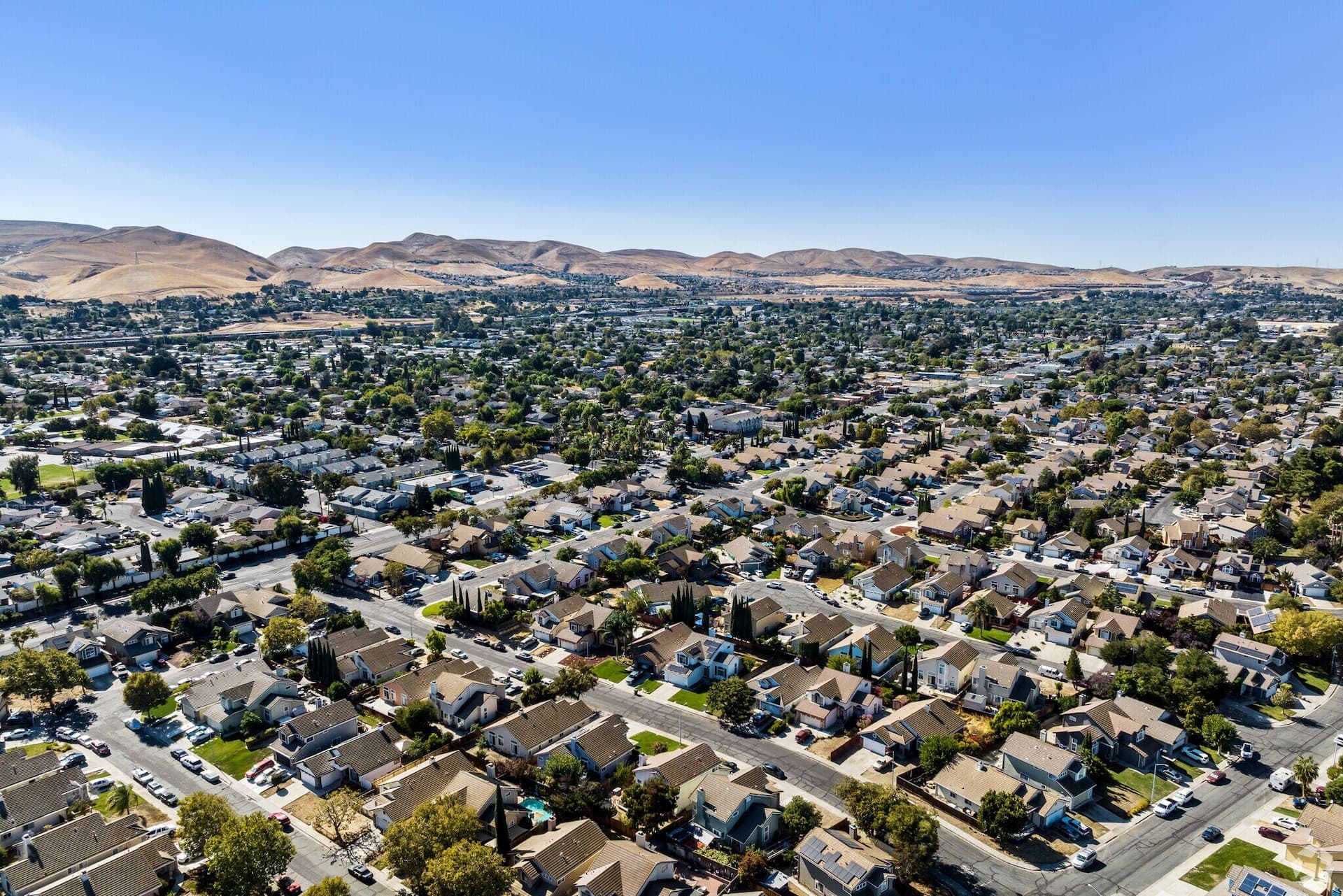
Pittsburg is one of those Bay Area cities most people have an opinion about without ever having visited. The reputation is mixed — partly earned, partly outdated — and the conversation with Bay Area buyers usually starts with "really? Pittsburg?" and ends with "wait, this is actually pretty good." Below is the honest local read on Pittsburg in 2026: where it shines, where it doesn't, and why the city quietly delivers some of the best price-to-amenity ratios in our coverage area.
What Pittsburg Has That Others Don't
Three things put Pittsburg in a different conversation than Antioch, Oakley, or Brentwood:
- Direct BART access. The Pittsburg/Bay Point BART station and the Pittsburg Center BART station give Pittsburg residents direct rail access to downtown San Francisco. Door-to-door at peak runs 60–80 minutes. For BART-dependent commuters, this matters enormously.
- Waterfront. The Suisun Bay shoreline and the Pittsburg Marina put real water access inside the city. The view from the San Marco hilltop neighborhoods over the bay is genuinely beautiful, and the marina has been steadily improving over the past decade.
- Sub-$650K pricing for substantial inventory. Pittsburg has more sub-$650K family-home inventory than any other BART-accessible city in Contra Costa County. For first-time buyers, this combination of price and BART is hard to find.
Where to Live in Pittsburg
The Pittsburg neighborhoods worth understanding:
- San Marco. Hilltop neighborhood with bay views, newer (2000s–2010s) construction, strong family appeal. The premium Pittsburg neighborhood. Pricing $625K–$825K typical.
- Bailey Estates and surrounding south Pittsburg. Newer master-planned tract neighborhoods, reasonable schools, good resale. $550K–$725K.
- Old Town Pittsburg. Historic downtown core. Older bungalows, Craftsman homes, Italian-American character. Walkable to Railroad Avenue restaurants and the BART station. $425K–$575K typical for family homes; under $400K for smaller starter inventory.
- Bay Point border (west Pittsburg). Older 1950s–1970s tract neighborhoods. Mixed quality and maintenance. Lowest pricing in the city — often sub-$500K — but block-level variability is real.
- Hillside neighborhoods between San Marco and Old Town. Mid-tier pricing ($525K–$650K), mixed eras and styles.
The single most important point about Pittsburg: like Antioch, neighborhood matters. San Marco is genuinely excellent. Some of the older mid-Pittsburg blocks have legitimate concerns. Block-level due diligence is non-optional.
Schools
Pittsburg Unified School District has had a more uneven track record than its neighbors but has invested significantly in newer facilities and strong programs. The district covers all grade levels in Pittsburg.
Notable:
- Pittsburg High School. Well-known regionally for sports programs (football and basketball especially) and CTE (career-technical education) offerings. Academic outcomes have improved meaningfully but remain mixed.
- Newer Pittsburg Center BART–adjacent schools. Investments in newer facilities have raised the floor of school quality in the south end.
- Older central Pittsburg schools. More variable. Research carefully.
For families specifically prioritizing top-tier public school outcomes, Pittsburg is generally a tier below Brentwood, Walnut Creek, or Pleasant Hill. For families willing to research carefully and choose specific zones, Pittsburg can deliver acceptable school outcomes at meaningfully lower prices.
Some Pittsburg families also commute to private schools in nearby cities (Concord, Walnut Creek) — a real pattern worth knowing.
Real Estate at a Glance
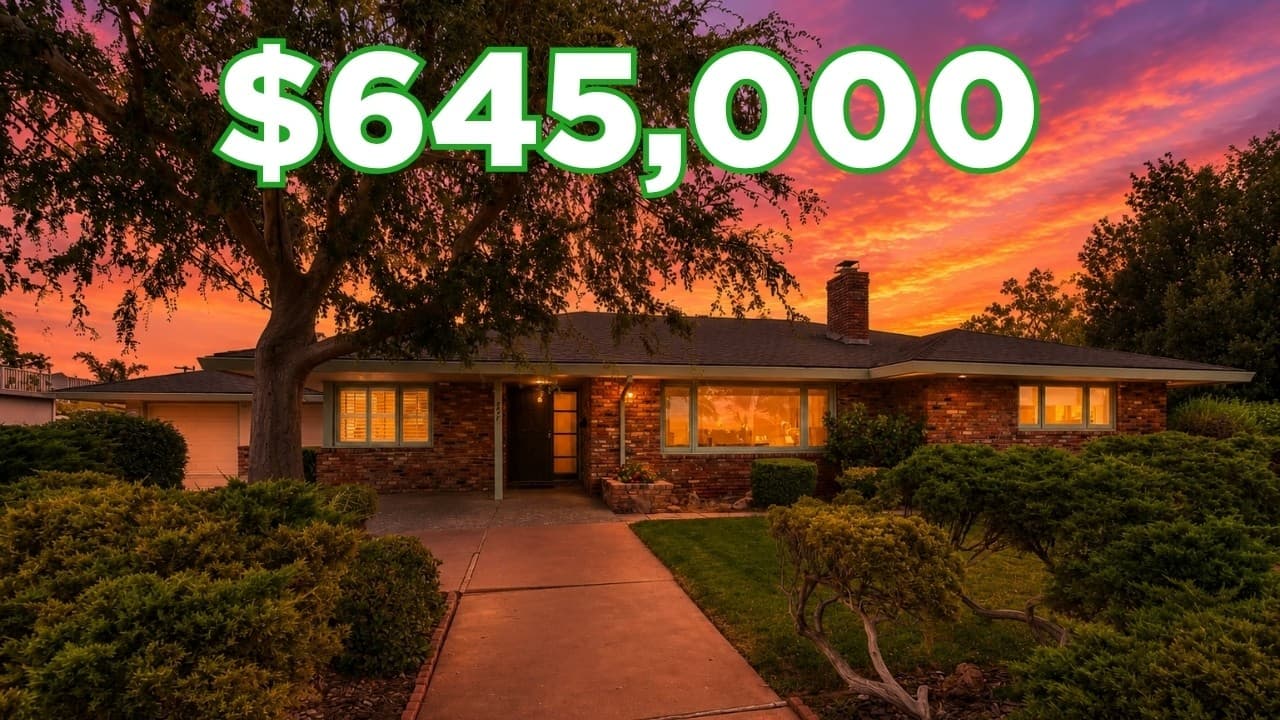
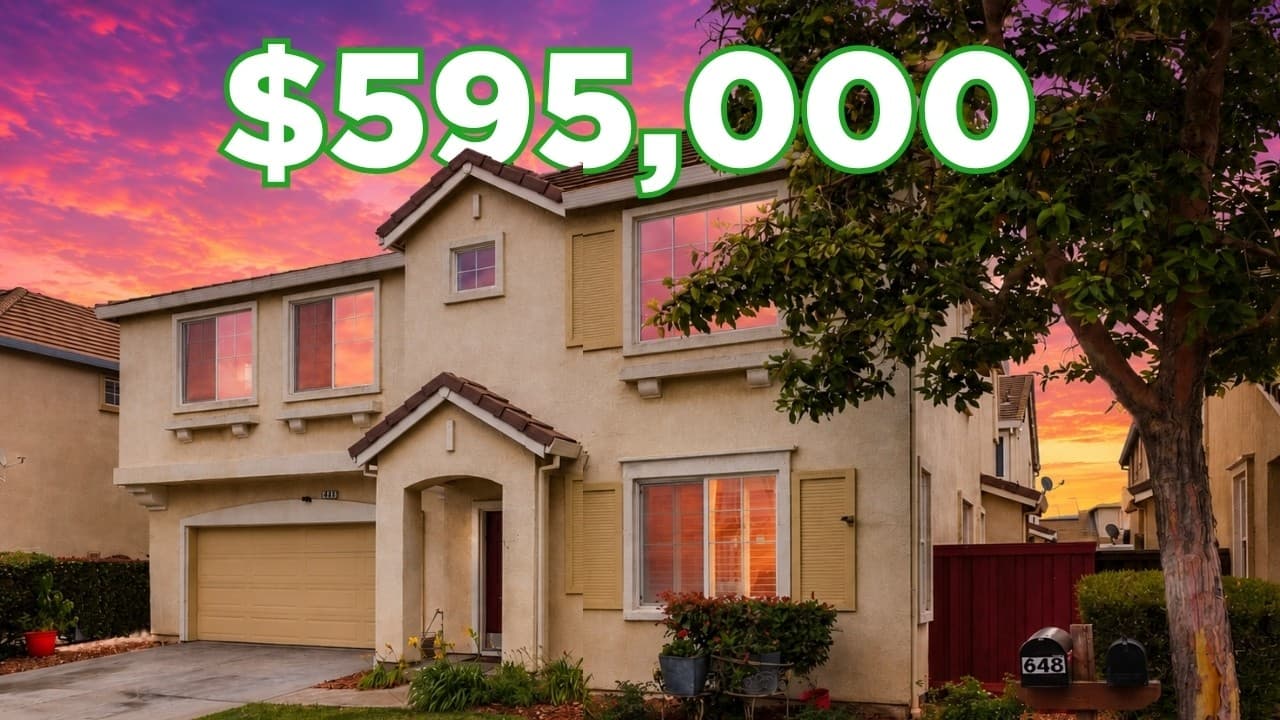
Pittsburg's median sale price sits around $575K — with the bulk of family inventory between $475K and $725K. The pricing breakdown:
- Old Town bungalows: $425K–$575K
- Mid-Pittsburg older tracts: $475K–$625K
- Bailey Estates / newer south: $550K–$725K
- San Marco hilltop: $625K–$825K
This is genuinely competitive pricing for a BART-accessible Bay Area city. A first-time buyer with $50K–$70K saved and a CalHFA-eligible income can comfortably enter Pittsburg's market — particularly the Old Town or south-Pittsburg corridors.
Daily Life
Pittsburg's daily rhythm centers on:
- The historic downtown along Railroad Avenue. Cluster of restaurants (particularly Italian-American institutions), small shops, and the BART station. Walkable. Italian-American heritage is the city's character anchor and shows up in restaurant culture.
- The Pittsburg Marina. Steadily improving over the past decade. Waterfront walking, fishing, occasional events.
- The waterfront restaurants (The Galley and others) at the marina.
- Regional access — Highway 4 east-west, BART connecting to the rest of the Bay.
The downtown isn't yet at Brentwood's level of polish, but it's recognizably authentic and increasingly active.
What Pittsburg Isn't
Honest tradeoffs:
- Reputation lag. Like Antioch, Pittsburg carries a reputation that lags current reality. Buyers from Walnut Creek or Lamorinda will sometimes judge you for the choice. This passes; it's a thing.
- School outcomes are uneven. For families specifically optimizing on top public schools, Pittsburg is generally the wrong choice.
- Block-level variability is real. The right Pittsburg block delivers excellent value; the wrong block has legitimate concerns. Local agent knowledge matters.
- Limited high-end inventory. If your budget exceeds $850K, Pittsburg has less to offer than the same dollar buys you in Brentwood, Oakley, or Pleasant Hill.
Why Now
For BART-dependent first-time buyers, hybrid workers willing to live further east for affordability, and value-focused buyers willing to do block-level due diligence, Pittsburg in 2026 is genuinely one of the better value plays in our region. The Old Town is improving, the marina is improving, San Marco is well-established, and the BART access is a structural advantage that can't be replicated in Brentwood or Discovery Bay.
We help several Pittsburg buyers a year and we know the block-level differences well.