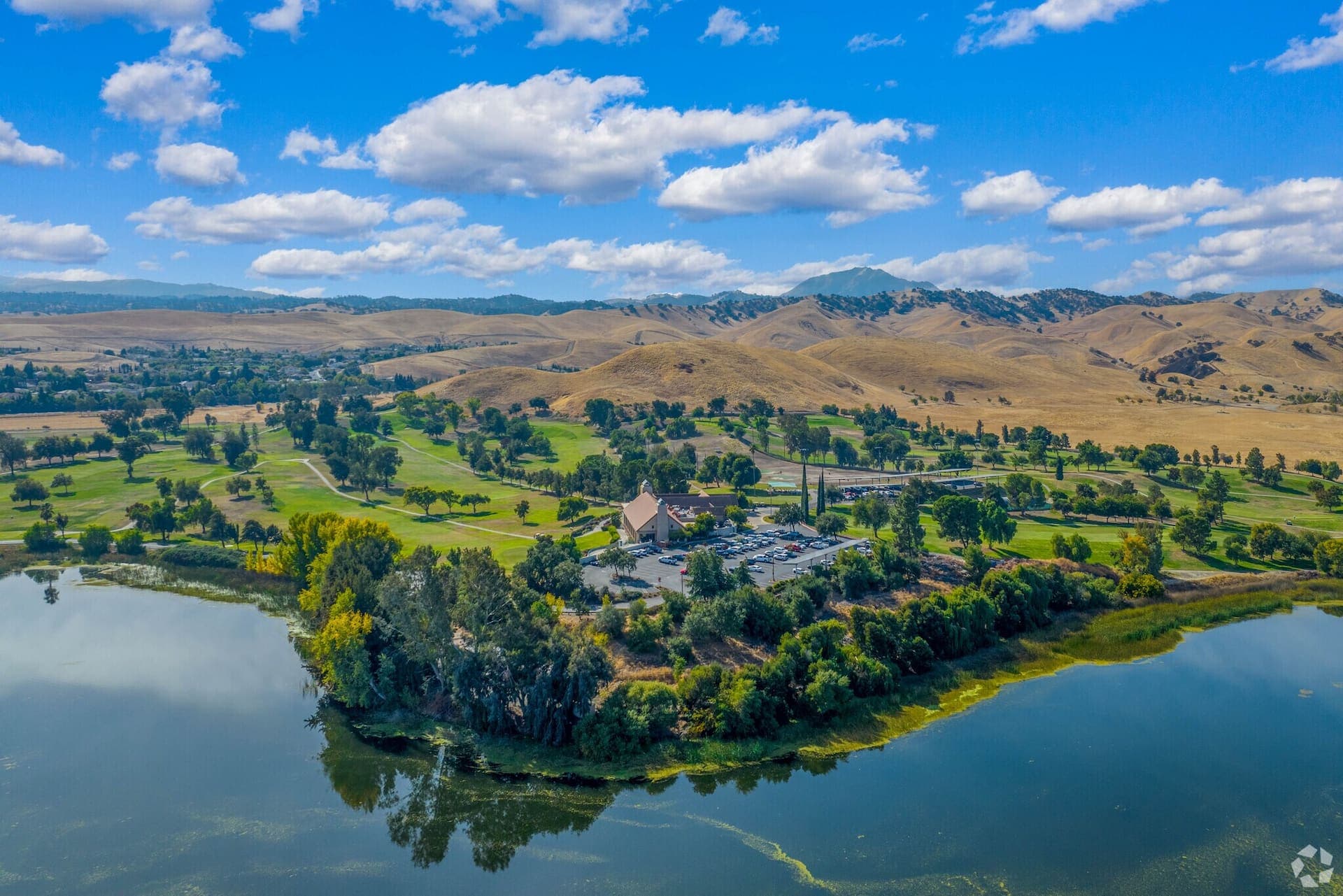
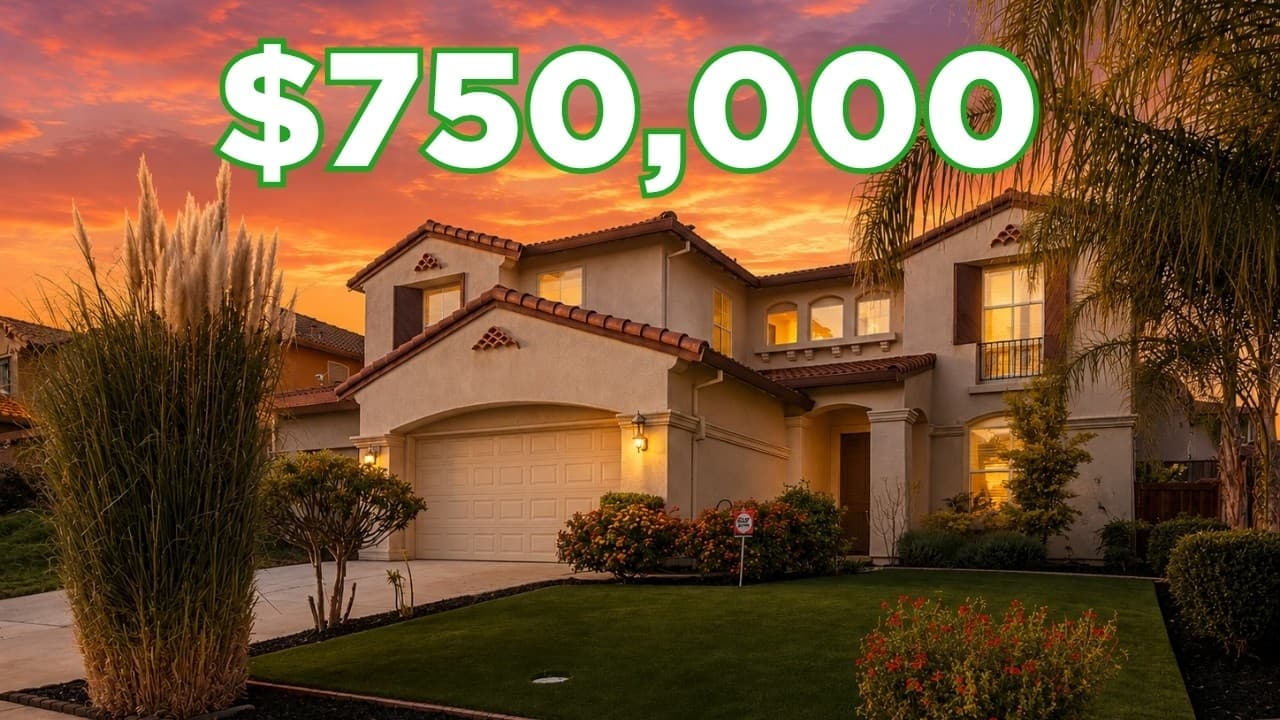
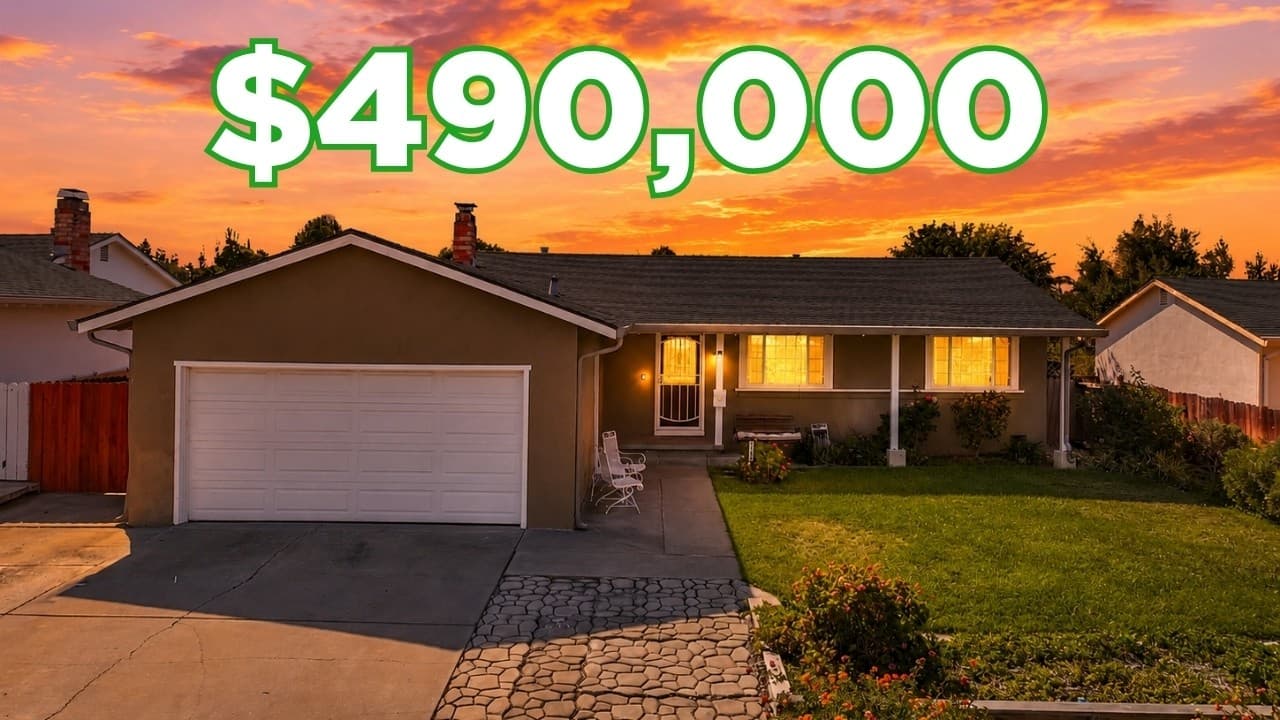
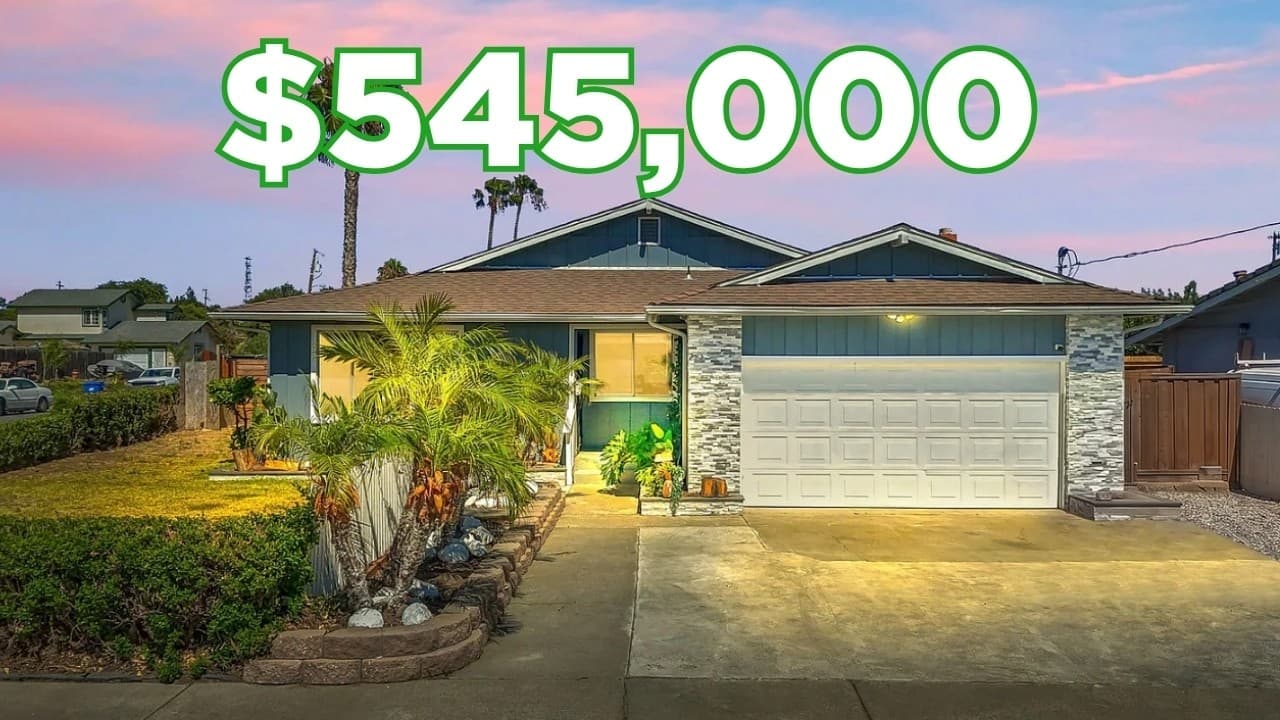
The Antioch waterfront has been quietly transforming for the past five years, and the cumulative impact is finally visible. After decades of decline that earned the city's downtown its long reputation problem, the Rivertown waterfront in 2026 is a genuinely different place — public investment, private restaurant openings, regular community events, and a slow but real influx of new residents in the historic-bungalow neighborhoods that ring the downtown core.
This isn't a brochure piece. The renaissance is real, but it's also unfinished and uneven. Below is what's actually changed, what's open, and what to expect over the next 18–24 months.
Where Antioch Came From
Some context. Antioch's downtown was a working waterfront and commercial center for most of the 20th century, anchored by lumber, fishing, and shipping. Disinvestment started in the 1970s, accelerated in the 1980s, and produced the dilapidated downtown that defined the city's reputation through the 2000s and 2010s. Buildings sat empty. The waterfront was largely inaccessible. The community pier closed and didn't reopen for years.
In the late 2010s, the city began assembling a serious downtown plan with state and county partners — environmental cleanup along the riverbank, infrastructure investment, public-realm improvements, and an active campaign to attract small-business tenants. Progress was slow at first. It's no longer slow.
The Investment Wave
The municipal investment over the past five years includes:
- The new Antioch Community Pier — replacing the decade-closed historic pier. Public access, fishing, programmed events.
- Riverfront walking and biking path — connecting the pier to the marina and beyond.
- Public art and gateway improvements — banners, murals, lighting, wayfinding.
- Façade improvement program — cost-share grants for downtown property owners refreshing storefronts. Visible results on Second Street and along the W Street corridor.
- Infrastructure investment — drainage, sidewalks, lighting, ADA improvements.
Total municipal commitment over this period exceeds $40 million according to city sources, with additional state and federal grants layered in.
What's Open Now
The downtown is no longer "vacant storefronts and one functional restaurant." Current openings include:
- A growing cluster of independent restaurants — multiple new arrivals over the past two years.: list specific current openings.
- A wine bar and tasting room.
- Two coffee shops with regular hours.
- Several specialty retail tenants in the W Street area.
- Reopened community spaces hosting weekly events.
The character of new openings has skewed toward owner-operated, local-feel businesses rather than national chains — which is the right kind of foundation for a recovering downtown.
Public Spaces and Events
Antioch's downtown event calendar has filled out meaningfully:
- Friday evening waterfront concerts through summer.
- Year-round Saturday farmers' market (newer, growing).
- Riverfront festivals at key seasonal moments — opening of the pier, Independence Day, fall harvest festival.
- Cultural programming at El Campanil Theatre, the historic downtown theater that has been steadily programming again.
- Community-led events — Pride, AAPI Heritage, Día de los Muertos celebrations.
The events draw crowds from outside Antioch — a real signal that the downtown has reached "destination" status, not just "neighborhood-serving."
What This Means for Real Estate
The downtown renaissance is starting to affect pricing in the surrounding historic neighborhoods:
- Historic bungalows in walking distance to Rivertown have appreciated meaningfully over the past three years — buyers willing to take the renaissance bet have done well.
- Loft and condo inventory in the converted historic buildings is starting to attract serious interest from younger buyers, including some priced out of Walnut Creek and Concord.
- Small commercial properties in the W Street area have seen the largest absolute price moves, though the absolute base is small.
The downtown story isn't yet driving citywide prices in the same way Brentwood's school zones do, but it's a real factor in the segment of buyers specifically targeting walkable, character-rich neighborhoods.
What to Expect Next
Over the next 18–24 months, expect:
- Continued small-business openings, with the next wave likely concentrated in dining and specialty retail.
- Additional residential conversion of historic commercial buildings.
- Marina and waterfront access improvements.
- Continued event programming.
Antioch's downtown isn't yet polished. There's still work to do. But the trajectory is unmistakable, and for buyers willing to bet on a recovering downtown — particularly first-time buyers looking for character and walkability without Walnut Creek prices — the historic neighborhoods around Rivertown are quietly one of the most interesting value plays in the East Bay.
We're happy to walk specific listings or neighborhoods.